PETROLEUM PRODUCTS
Iraqi Petroleum Coke (Petcoke)
Fuel-grade green petroleum coke for cement kilns and power plants, with calcined grades on request, sourced from Iraqi refineries subject to availability.
- Grades
- Fuel-grade (green)
Calcined on request - Packing
- Bulk · Jumbo bags
Small bags - Terms
- Sea: FOB · CFR · CIF
Road: FCA · CPT · DAP
OVERVIEW
Iraqi Petcoke Supply
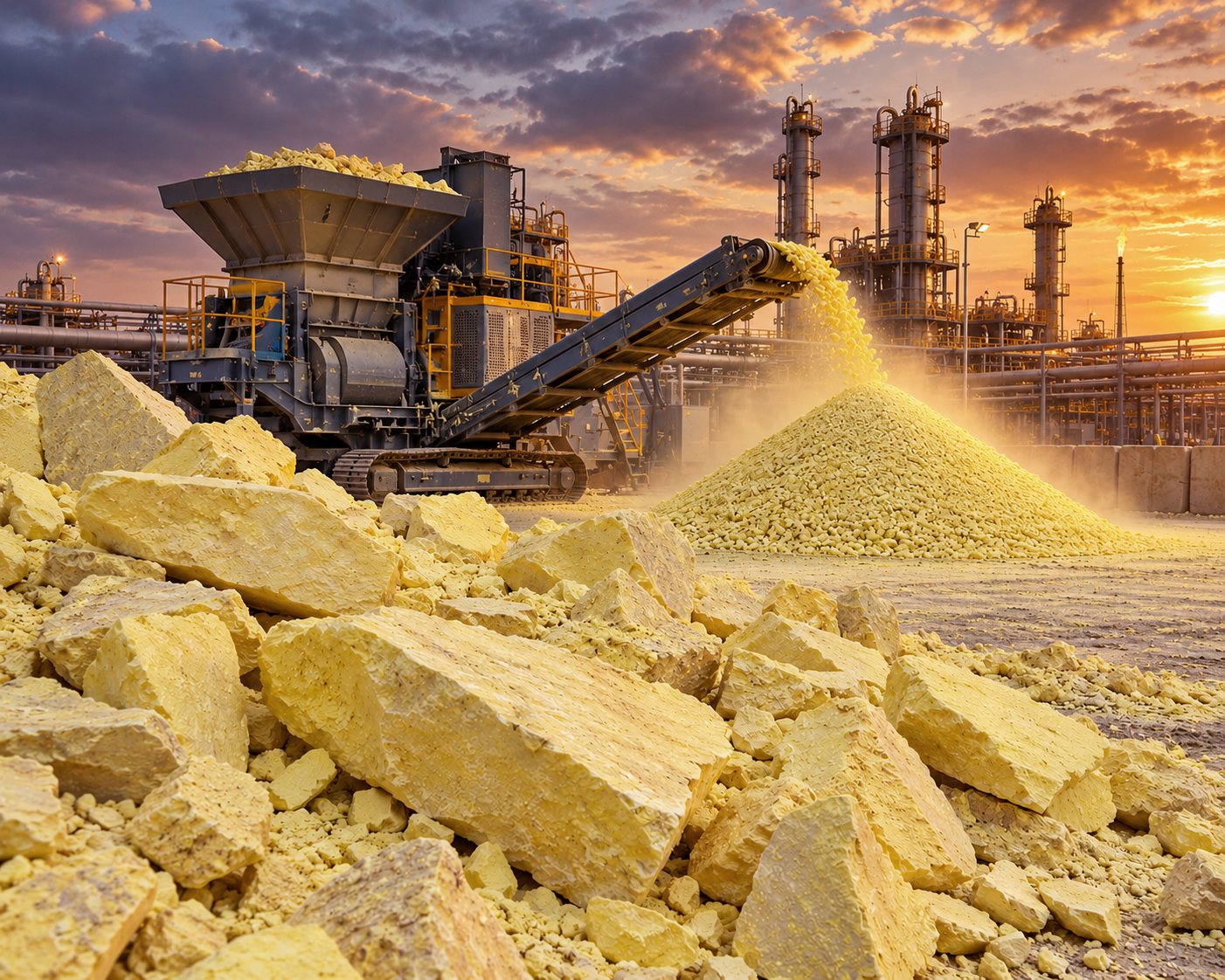
Petroleum coke is the solid carbon left when a refinery’s coking unit breaks the heaviest residue into lighter fuels. Fuel-grade, or green, petcoke is a hard black solid with a high heat value and very little ash, which makes it a cost-effective alternative to coal in cement kilns and solid-fuel boilers.
Because it is made from sulfur-rich residue, Iraqi fuel-grade petcoke is high in sulfur. Calcined petroleum coke (CPC) is produced by heating selected green petcoke to about 1,200–1,350 °C, reducing moisture and volatile matter. Depending on its sulfur content, metallic impurities and physical properties, CPC may be suitable for aluminium anodes, steel recarburising or other industrial uses.
Petroleum coke availability in Iraq depends on operating refinery coking capacity and production schedules, and output is limited, so supply is offered case by case. PETROXIUM works with qualified suppliers to match the grade, size, packing and delivery terms to each enquiry, subject to verified product origin, available quantity and applicable export requirements.
SPECIFICATIONS
Green and Calcined Petroleum Coke Specifications
Choose a grade. Petcoke has no single international standard; values depend on the refinery and coking process.
Fuel-grade green petroleum coke · Indicative values · supplier specification
| Property | Test method | Unit | Indicative value |
|---|---|---|---|
| Fixed carbon | ASTM D3172 | % wt | 85 – 89 % wt |
| Sulfur | ASTM D4239 | % wt | 4.0 – 6.5 % wt |
| Volatile matter | ASTM D3175 | % wt | 8 – 12 % wt |
| Ash | ASTM D3174 | % wt | ≤ 1.0 % wt |
| Total moisture | ASTM D3302 | % wt | ≤ 10 % wt |
| Gross calorific value | ASTM D5865 | kcal/kg | 8,000 – 8,400 kcal/kg |
| Hardgrove grindability index (HGI) | ASTM D409 | – | 40 – 60 |
| Size | sieve analysis | mm | 0 – 50 (≥ 90%) mm |
Calcined petroleum coke (CPC) · Indicative values · on request, where available
| Property | Test method | Unit | Indicative value |
|---|---|---|---|
| Fixed carbon | ASTM D3172 | % wt | ≥ 98.5 % wt |
| Sulfur | ASTM D4239 | % wt | ≤ 3.0 % wt |
| Volatile matter | ASTM D3175 | % wt | ≤ 0.5 % wt |
| Ash | ASTM D3174 | % wt | ≤ 0.5 % wt |
| Moisture | ASTM D3302 | % wt | ≤ 0.5 % wt |
| Real density | ASTM D2638 | g/cm³ | ≥ 2.03 g/cm³ |
| Vanadium | ASTM D5600 | ppm | stated per lot |
| Nickel | ASTM D5600 | ppm | stated per lot |
| Size | sieve analysis | mm | 1 – 5 or as agreed mm |
Specifications are indicative and do not constitute a guaranteed product offer. Final quality parameters, including sulfur, trace metals, particle size and moisture, are subject to supplier confirmation and independent laboratory analysis, and the acceptance criteria are agreed for each transaction.
Product Availability and Quality
Iraqi petcoke is produced in limited volumes, and its sulfur, volatile matter and size vary between refineries and batches. PETROXIUM works with suppliers to match each enquiry to the buyer’s required grade, sulfur limit, HGI, size, quantity and destination. Final specifications and availability are subject to supplier confirmation, laboratory analysis and the agreed contract terms.
APPLICATIONS
Where Petcoke Is Used
Typical uses by grade; the final grade follows the buyer’s process and equipment.
Cement Kilns
High-calorific green petcoke can replace part of the coal or other fuel used in cement kilns, subject to sulfur limits, grinding capability and emissions requirements.
Fuel-gradePower and Steam
Fuel for power plants and industrial boilers designed for solid fuels, especially circulating fluidised bed boilers.
Fuel-gradeLime, Brick and Ceramic Kilns
A lower-cost replacement for coal or fuel oil in kilns that can grind and fire solid fuel.
Fuel-gradeSteel Recarburising
Calcined coke adds carbon to molten steel and cast iron in electric arc furnaces and foundries.
CalcinedAluminium Anodes
Selected low-impurity calcined coke is used to make carbon anodes for primary aluminium. Suitability depends on sulfur, trace metals, density and other quality requirements.
CalcinedBlending with Coal
Blended with coal to raise the heat value of a fuel mix and reduce ash, in kilns and boilers that accept both.
Fuel-grade
PACKAGING AND LOADING
Bulk Petroleum Coke Supply and Transportation
Choose the packing that fits your volume and handling equipment, and the route that fits your market.
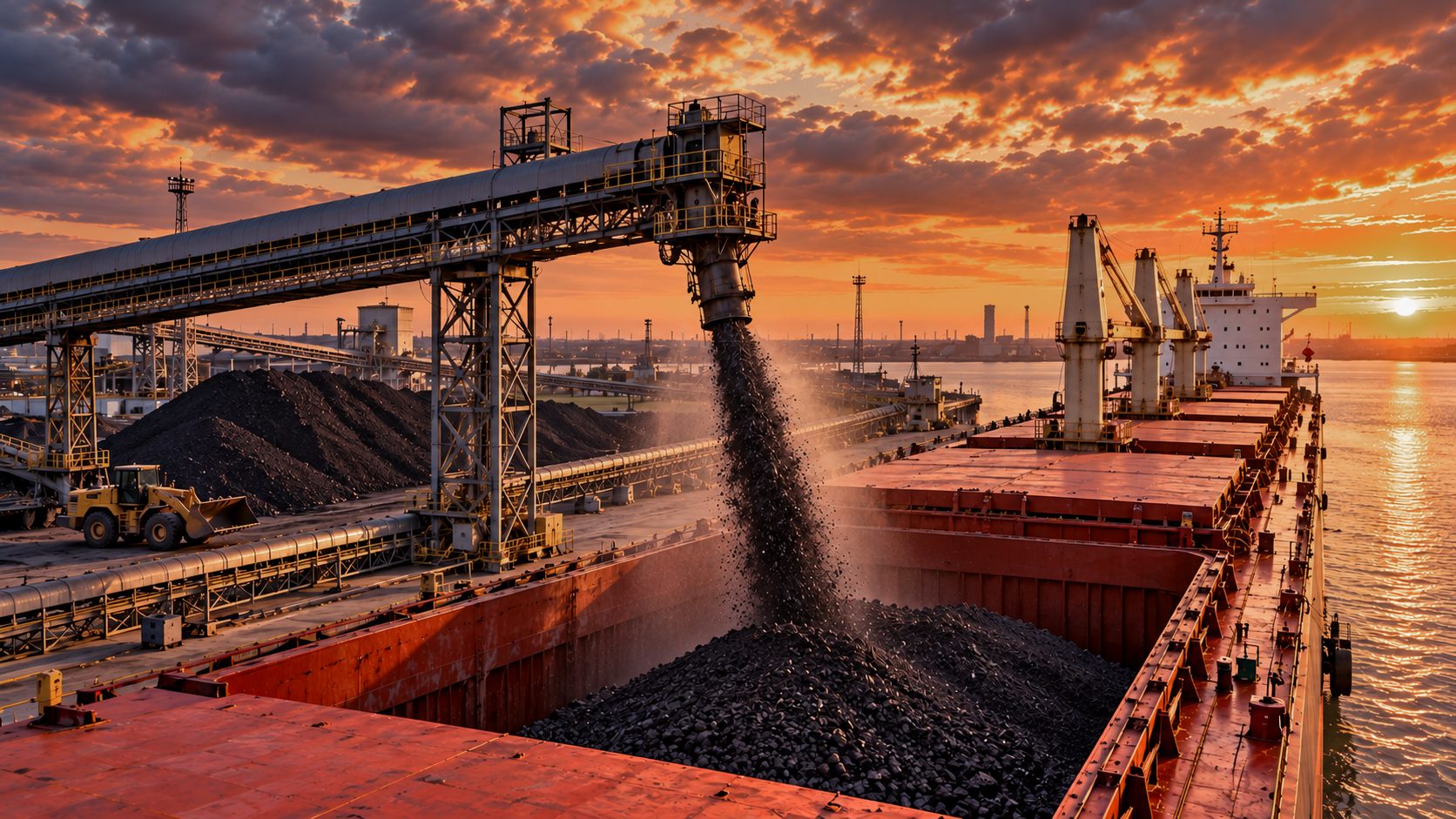
Loose in Bulk
Loaded loose into bulk carriers or tipper trucks; the lowest cost per tonne for large buyers.
Jumbo Bags
Woven bags for container shipping and overland trucking, easy to lift by forklift or crane.
Small Bags
For calcined grades and smaller users, palletised and loaded in containers.
Handling and Storage
Petcoke is a fine, dusty solid. Covered storage, damp suppression and enclosed conveying keep losses and dust down.
Export routes
By sea
Umm Qasr and Khor Al-Zubair
Bulk or containerised cargoes on FOB, CFR or CIF terms, subject to the agreed loading port.
Overland to Jordan
Through Trebil
Trucks or containers to Jordanian buyers or to Aqaba, on FCA, CPT or DAP terms.
Overland to Turkey
Through Ibrahim Khalil
Trucks or containers to Turkish buyers or to Mersin and İzmir, on FCA, CPT or DAP terms.
Petroleum coke may be transported as loose bulk cargo or in suitable bags and containers. Shipment arrangements depend on particle size, moisture, dust-control requirements, cargo classification and destination regulations; for sea shipments, classification and handling are checked against the IMSBC Code. Routes and terms are confirmed for each enquiry.
QUALITY
Independent Inspection
Independent quality and quantity inspection is arranged at loading through mutually agreed companies such as SGS, Intertek or Bureau Veritas, subject to the contract terms.
- Sampling at loadingComposite samples are drawn from the stockpile, bags or cargo being loaded.
- Laboratory testingTested for fixed carbon, sulfur, volatile matter, ash, moisture, calorific value and HGI.
- Certificates issuedQuality and weight certificates are issued before the documents are released.
DOCUMENTS
Export Documentation
Documentation depends on the destination country, applicable regulations and the agreed Incoterms® 2020.
- Certificate of analysis
- Certificates of quality and weight
- Certificate of origin
- Bill of lading or CMR
- Commercial invoice and packing list
HOW SOURCING WORKS
From Enquiry to Shipment
Send Your Requirement
Grade, sulfur limit, size, quantity, packing and destination.
We Check Supply
Availability and specification are confirmed with qualified suppliers.
Offer and Contract
Terms are agreed and the contract is signed with the supplier.
Inspection and Shipment
Independent inspection at loading, then shipment as agreed.
FAQ
Frequently Asked Questions About Petcoke
What is the difference between green and calcined petcoke?
Green (raw) petcoke comes directly from a refinery’s coking unit and is used mainly as fuel. Calcined petcoke is selected green coke heated to about 1,200–1,350 °C to reduce moisture and volatile matter. Calcining does not remove most of the sulfur, so whether a CPC suits aluminium anodes or steel recarburising depends on its sulfur, trace metals and physical properties. Not all green coke is fuel grade: low-sulfur, low-metal green coke can be calcined into anode-grade CPC, while high-sulfur green coke, such as most Iraqi production, is used mainly as fuel.
What is the difference between petroleum coke and metallurgical coke?
Petroleum coke is produced from heavy petroleum refinery residues and is commercially available as green petroleum coke (GPC) or calcined petroleum coke (CPC). Metallurgical coke (met coke), by contrast, is produced from coking coal and is used mainly in iron and steel production. Although both are carbon-rich industrial materials, they differ in origin, production process, properties and applications.
Why do cement plants use petcoke instead of coal?
Fuel-grade petcoke has a higher heat value and much lower ash than most coals, so less fuel is needed per tonne of clinker. Its high sulfur is largely captured by the kiln’s alkaline raw materials, which makes cement kilns well suited to burning it.
Is petcoke available from Iraq?
Iraq’s petcoke output is limited, because few of its refineries have coking units. Supply is therefore offered case by case, subject to availability, and confirmed for each enquiry.
What does HGI mean?
The Hardgrove grindability index measures how easily a solid fuel can be ground. Petcoke typically has a lower HGI than coal, so mills may need adjusting; buyers usually state the HGI their mills can handle.
How is petcoke shipped?
Large lots move loose in bulk by vessel or tipper truck. Smaller lots and calcined grades go in jumbo bags or small bags, in containers or by truck.
What is the minimum order?
Minimum quantities depend on the grade, packing, supplier availability and shipping arrangements. Bagged petcoke is usually ordered by the container or truck load, and bulk supply is agreed per contract.
RELATED PRODUCTS